
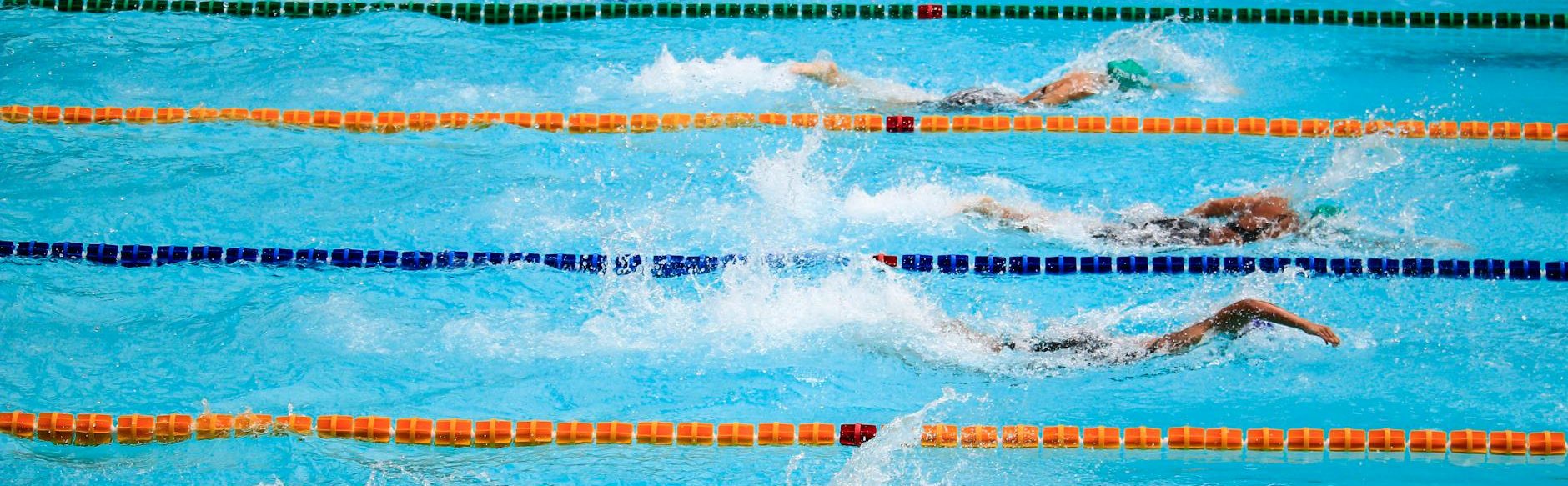
Every athlete trains their body with structure. Workouts are built on sets, reps, intervals, percentages, and progressions. Yet when it comes to the mind, many athletes rely on hope. They hope they think the right things in big moments. They hope their nerves stay quiet. They hope they can focus when it matters. The truth is that mental performance is not driven by hope. It is built through deliberate cueing: the practice of deciding in advance what you want your mind to do before, during, and after competition.
Mental cueing is essentially thought choreography. Just as a swimmer wouldn’t dive in without knowing their race plan, they shouldn’t enter the pressure of competition without a plan for their internal dialogue. Stressful moments can send the mind toward automatic negativity or distraction. When the heart rate climbs and the stakes rise, the brain defaults to survival mode. This is why mental cueing matters. It gives the mind something purposeful to hold onto when the environment tries to pull attention away. Before, during, and after performance, athletes benefit from rehearsed, intentional thoughts that create stability and consistency.
Pre-Performance: Building a Confident Start
The moments before competition are where the mental prep begins. The swimmer behind the blocks is a great example. They have about a minute to settle their breathing, sharpen their focus, and choose the version of themselves they want to dive into the water. Without cueing, this moment can turn chaotic. Thoughts such as “Don’t mess this up,” “Everyone is watching,” or “I feel nervous” tend to sneak in. These thoughts are not a sign of weakness. They are a sign of normal psychology under pressure. Mental cueing simply replaces them with something more useful.
Pre-performance cueing centers around positive self-talk, personal mantras, and statements that reinforce confidence. The goal is not to pretend everything feels perfect. The goal is to anchor the athlete to a clear confident thought. A swimmer might quietly tell themselves, “I am prepared, I am steady, I trust my training.” These statements serve as reminders of the work they have already done. They direct attention away from fear and toward identity and readiness. Other swimmers prefer a mantra, something short and rhythmic like “Calm power” or “Strong and smooth.” This kind of phrase acts like a psychological switch. Once they say it, the mind enters a heightened performance state.
Sometimes athletes benefit from a short pre-performance script: one to three sentences they practice during training. It becomes part of their warm-up just like stretching or mobility. They know exactly what they will say to themselves and when. This helps regulate nerves and creates predictability, which increases confidence. Instead of hoping for a calm mind before competition, they create one through repetition.
During Performance: Using Short, Sharp Cues to Direct Attention
Once the race begins, the athlete has a new mental task: staying locked into the race. In a swim race, there is little opportunity to think. The cue must be short, specific, and connected to the skill being executed. A single word can carry enough information to keep the brain focused without causing overthinking. A swimmer might use “long” to maintain stroke length or “spin” to encourage a high tempo. They may say “smooth” to avoid tightening up or “breathe” when nerves pull their breathing out of rhythm. These cues work because they give the mind a simple anchor point.
All athletes face distractions. A bad turn, a surge of fatigue, or the feeling of someone closing in can spike anxiety. When this happens, the brain tends to drift toward emotional thinking. Cueing provides a quick route back to task-focused thinking. The cue becomes a mental home base. The job is not to eliminate every distracting thought but to consistently return to the cue as soon as possible. If the swimmer finds themselves thinking about the previous lap, all they need to do is bring their attention back with a practiced phrase like “find your rhythm.” With enough repetition, this return becomes automatic.
This same principle holds across sports. A lifter approaching a heavy attempt might repeat “tight” or “brace.” A soccer player recovering from a turnover might reset with “next play.” A runner feeling fatigue build near the end of a race may rely on “relax” or “drive.” The cue pulls the athlete out of emotion and back into execution. The power is in the cue’s simplicity.
After Performance: Reflection That Builds Growth
When the race is over, mental cueing enters its final phase. Many athletes rush past reflection and enter either replay mode or self-criticism. The swimmer might get out of the water thinking, “I blew that turn” or “Coach is going to be disappointed.” Without direction, the mind gravitates toward the negative. Post-performance cueing provides structure so that reflection becomes productive and confidence-building instead of draining.
One helpful reflection technique is ‘Good, Better, How’. It starts with identifying what went well. For a swimmer, this might be noticing that they held their pace better than last meet or stayed composed under pressure. The next step is ‘Better’. This is where the athlete names something they want to improve, but in a factual, unemotional way. Perhaps the breakouts were inconsistent or the kick faded sooner than expected. The final step is ‘How’. This turns the reflection into action. The swimmer might note that they will work on breakout timing in practice.
A complementary mantra for reflection is “get the information, forgive yourself, play on.” The goal of reflection is not to collect emotional baggage. It is to collect information. The athlete looks at the performance honestly, gathers the data, and then releases any unnecessary self-judgment. Forgiving yourself does not mean lowering standards. It means refusing to carry frustration into the next competition. Playing on means returning to training with focus instead of regret. This is how resilience develops over time.
Supporting Athletes: How Parents and Coaches Can Reinforce Healthy Cueing
Athletes do not develop mental skills in isolation. Parents, coaches, trainers, and supportive adults play a large role in shaping the environment. Encouraging athletes to create their own cueing plans can make competition less unpredictable and more controllable. When coaches use the same cues consistently in practice and meets, it reinforces their effectiveness. A swimmer who hears “long” or “smooth” every day in training will find those cues more powerful in competition.
Support staff can also model calm and neutral language. Emotional reactions, especially right after a performance, can overwhelm an athlete’s own reflection process. The athlete needs space to apply their own reflection framework before receiving external feedback. When athletes and supporters speak a shared language of cues and reflection, the communication becomes more efficient and the athlete grows faster.
Integrating Mental Cueing Into Daily Training
Mental cueing should be practiced long before race day. Just as swimmers rehearse starts, turns, and pacing strategies, they should rehearse their thoughts. A simple start is to choose one pre-performance phrase, one in-performance cue, and one post-performance reflection routine. Then practice them during training when fatigue sets in or when frustration appears. These are the same conditions under which cueing will matter most.
Over time, athletes begin to trust their thoughts the way they trust their technique. They know what their mind will do under pressure because they trained it. Once cueing becomes a habit, performance becomes more consistent. The athlete is not leaving anything to chance. They have choreographed their thoughts for every phase of competition.
Use Mental Cueing for Consistency and Control
Mental cueing is one of the simplest and most powerful mental skills an athlete can develop. Before competition, it builds confidence and direction. During performance, it focuses attention and blocks unnecessary distractions. After performance, it guides reflection in a way that builds growth instead of doubt. Whether an athlete is standing behind the blocks, pushing through the middle of a race, or reviewing the results afterward, cueing provides stability and structure.
Athletes perform best when their minds are rehearsed, not reactive. By choreographing thoughts before, during, and after performance, they create the mental consistency that high-level success demands. Swimming illustrates this process clearly, but the principles reach far beyond the pool. Every athlete, in every sport, benefits from choosing their thoughts with the same intention they use to train their physical skills.
Leave a Reply