
Author: Ian Reardon
-
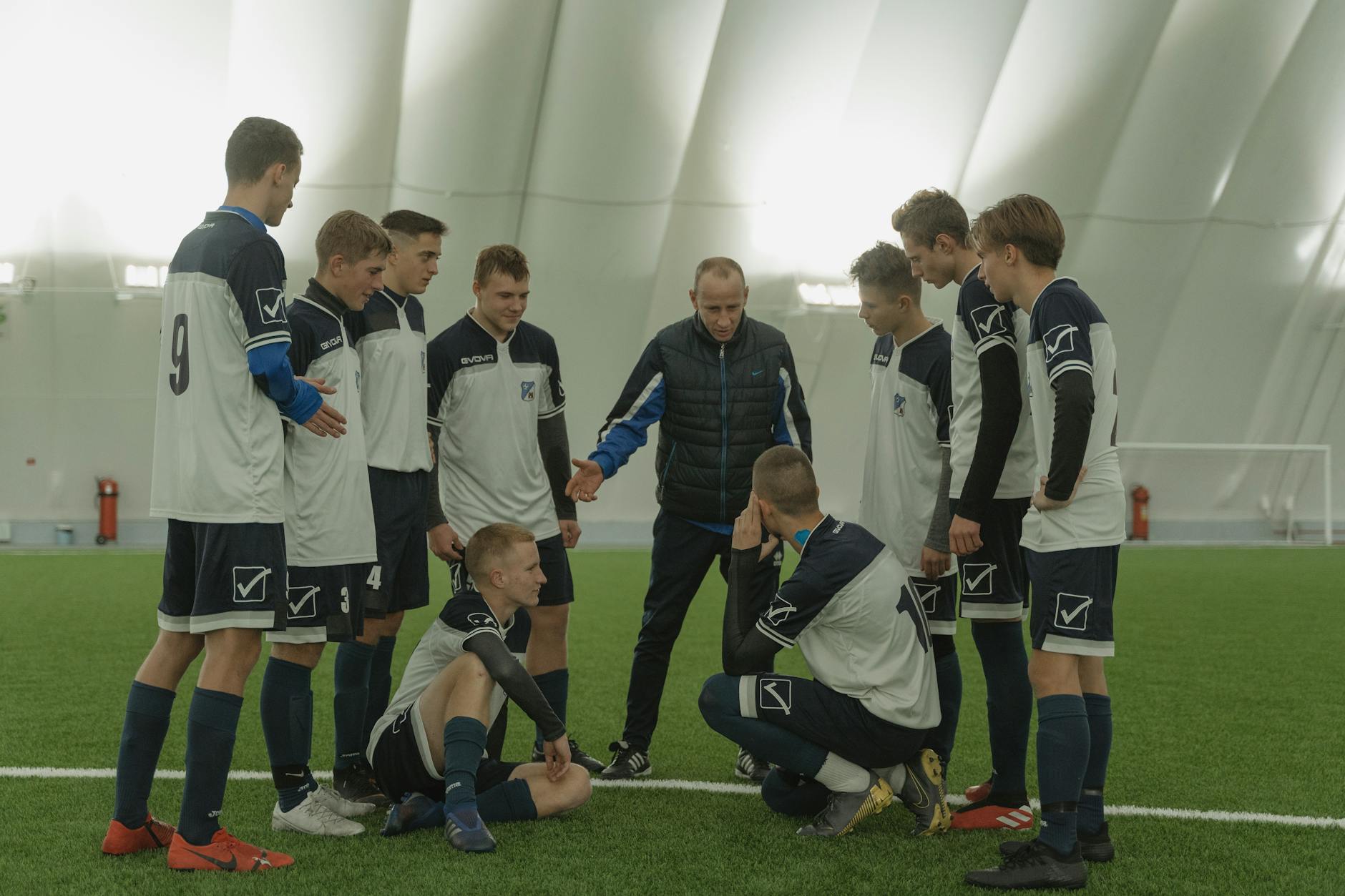
5 Science-Backed Tips Every Coach Should Know
What you say and how you say it shapes the kind of athlete standing in front of you. These five principles from sport psychology can help you build competitors who are confident, creative, and genuinely love the game. Tip #1 – Don’t demonstrate and talk at the same time The brain is not built for…
-

The Jedi Were Sport Psychologists All Along
Forget the lightsabers. The real Jedi superpower was elite mental performance coaching. Walk into any elite locker room today and you might hear a performance coach tell an athlete to stay present, trust the process, or let go of the outcome. Across the galaxy, roughly 34 years before the Battle of Yavin, a master was…
-

Use Visualization to Build Identity for Peak Performance
Most athletes are familiar with visualization as a tool to “see success,” but its real impact runs deeper than preparing for a single moment. When used consistently, visualization reshapes how an athlete sees themselves. That shift in identity is where the most meaningful and lasting performance gains occur. At its core, repeated success visualization answers…
-
Manage Your Nerves for Peak Performance
There is a moment before competition where everything starts to rise. Your heart rate picks up, your breathing changes, your thoughts begin to move a little faster, and your body feels more alive. Athletes describe it in different ways. Some call it nerves, others call it adrenaline, and some say they finally feel ready. How…
-

Stop Trying to “Focus Harder”: A Better Way to Control Attention in Competition
“Focus” is one of the most common instructions in sport, and one of the least effective. Athletes rarely underperform because they are not trying hard enough to pay attention. More often, performance breaks down because attention is misdirected, overloaded, or poorly regulated under pressure. Telling an athlete to “focus harder” assumes that attention is simply…
-

What’s Important Now? A gamer’s mindset.
My partner recently attended a writer’s conference, where I had the pleasure of attending a reception of many esteemed writers. I spoke briefly with a published author about the long process of submitting manuscripts to agents and publishers. Anyone familiar with that world knows how discouraging it can be. Writers send out query after query…
-

What the 2026 Winter Olympics Teach Us About Pressure, Purpose, and the Mind
Every four years the Winter Olympics give us something rare in sport. For a few weeks, the entire world watches the same athletes at the same time. The stakes are absolute. There is no next weekend tournament, no next series, no next season to fix it. One performance becomes history. For athletes and coaches, this…
-

Motivation Isn’t a Feeling. It’s a System.
Every serious athlete eventually learns something frustrating. You are not going to feel motivated most of the time. The practices you need most are often the ones you least want to do. The lift that actually makes you better is usually the one you consider skipping. Film study, rehab exercises, conditioning, recovery sessions, and technical…
-

Choosing To Miss: Regaining Control When The Yips Take Over
There is a particular kind of frustration that athletes experience when the yips show up. It is not just a bad rep or a missed shot. It is the feeling that something has hijacked a movement that has been reliable for years. The swing, the stroke, the release all feel the same going in, yet…
-

The Cognitive Triangle: The link between mental and physical performance
In every sport, athletes and coaches talk about the importance of the mental game. We hear phrases like “stay confident,” “trust yourself,” or “don’t let mistakes get to you.” We talk about preparation, pressure, and mental toughness. But for most athletes, the actual mechanics of how the mind influences performance are vague. The concept makes…