
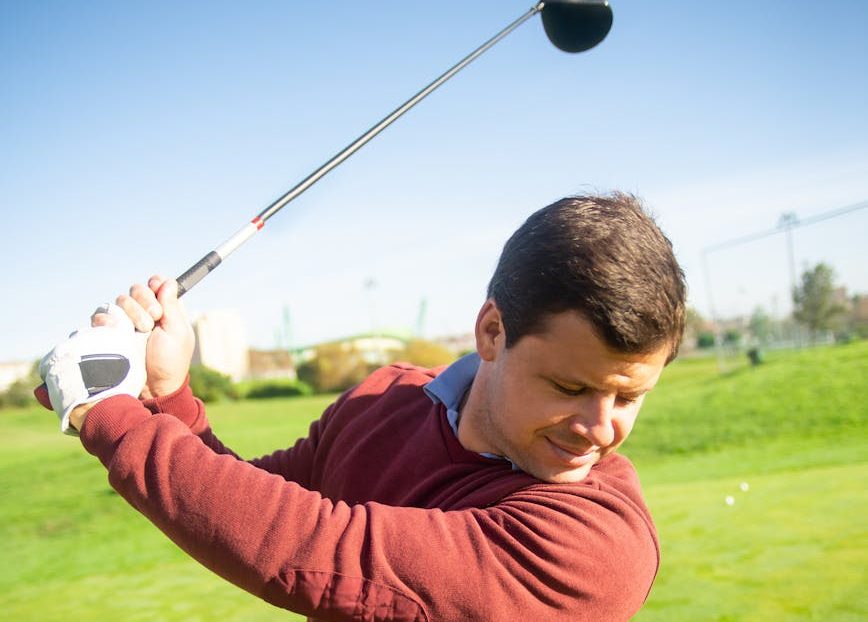
There is a particular kind of frustration that athletes experience when the yips show up. It is not just a bad rep or a missed shot. It is the feeling that something has hijacked a movement that has been reliable for years. The swing, the stroke, the release all feel the same going in, yet the outcome comes out wrong. Worse, it comes out wrong at the worst possible moment. Athletes often describe it as their body not listening, or their hands doing something they did not tell them to do. At its core, the yips are not just a performance problem. They are a control problem.
The yips tend to emerge in moments where precision matters most. A golfer standing over a routine iron shot suddenly feels the clubface twist and the ball rockets sideways. A basketball player at the free throw line feels their wrist tighten and the ball clangs off the rim despite thousands of made shots in practice. A baseball player rushes a throw to first base that they have made effortlessly their entire career. These are not skill deficits. These are disruptions of automatic motor patterns that have been trained to run without conscious interference. Once doubt enters, the athlete tries to fix the movement in real time, and the very act of trying to control it too much creates more instability.
One of the most overlooked contributors to the yips is a perceived loss of control over outcomes. When an athlete believes that what happens after they initiate the movement is no longer fully up to them, anxiety spikes. The mind starts scanning for threats. Automatic thoughts appear right before the movement, often in the form of images or sensations of what might go wrong. Don’t shank it. Don’t miss left. Don’t hit the rim. Ironically, these thoughts tend to pull attention toward the exact outcome the athlete is trying to avoid. The athlete swings, shoots, or throws, and when the feared outcome shows up again, it reinforces the belief that something uncontrollable is happening.
A powerful way to interrupt this cycle is counterintuitive and often uncomfortable at first. The strategy is simple in concept but profound in effect. The athlete intentionally does the thing they are worried about.
For a golfer dealing with the shanks, this might mean stepping onto the range and deliberately trying to hit the ball off the heel of the club. For a basketball player struggling at the free throw line, it could mean intentionally aiming for the backboard or the front rim. For a pitcher afraid of sailing the ball high and arm side, it might mean intentionally throwing one that way on purpose. The goal is not to perform poorly in competition. The goal is to change the athlete’s relationship with the feared outcome and, more importantly, with control.
When athletes first hear this strategy, their reaction is usually resistance. They worry that practicing the miss will engrain bad habits. They fear that intentionally doing the wrong thing will make the problem worse. This concern makes sense, but it misunderstands what is actually happening at the psychological level. The issue is not that the athlete does not know how to perform the skill correctly. The issue is that the athlete feels trapped between one desired outcome and a feared outcome that seems to appear without permission. This sense of helplessness is what fuels the yips.
By intentionally choosing the negative outcome, the athlete flips the script. Instead of hoping the bad thing does not happen, they decide to make it happen. In that moment, the feared outcome is no longer an intruder. It becomes a choice. And choice is a form of control.
Consider the golfer who wants to hit a straight shot down the fairway. When the yips are present, they swing with that intention, yet the ball slices hard into the rough. The disconnect between intention and result creates anxiety. It feels as though something outside of the golfer’s control is influencing the shot. When that same golfer steps up and intentionally tries to slice the ball, something interesting happens. The body organizes itself to produce the slice. The clubface opens, the path adjusts, and the ball moves exactly as planned. The golfer has just proven to themselves that they can produce that outcome on demand.
This experience does two important things. First, it breaks the illusion that the miss is random or uncontrollable. Second, it expands the athlete’s sense of agency. If they can intentionally hit a slice, they can also intentionally not hit one. Both outcomes now exist within their control.
This is where the concept of internal locus of control becomes critical. Athletes with a strong internal locus of control believe that outcomes in their sport are largely influenced by their own actions, decisions, and effort. When the yips take hold, that belief erodes. Misses start to feel like accidents. Movements feel unreliable. The athlete begins to brace against the unknown instead of trusting the process. By practicing intentional misses, the athlete rebuilds their internal locus of control. They learn, through direct experience, that the movement system is still responsive and predictable.
Another benefit of this strategy is that it reduces the emotional charge attached to the feared outcome. When an athlete spends weeks or months trying desperately to avoid one specific miss, that miss gains power. It becomes catastrophic in the athlete’s mind. Intentionally creating that outcome in a low stakes environment strips it of its threat. The athlete realizes that nothing terrible happens when the ball hits the rim or the shot leaks right. The world does not end. Their identity as an athlete does not dissolve. This emotional neutrality makes it much easier to return to a relaxed, automatic execution.
From a motor learning perspective, intentionally missing also enhances awareness. Athletes begin to feel the difference between movements that produce different outcomes. They gain a clearer sense of cause and effect. This awareness is not about technical overthinking. It is about reconnecting intention with result. When athletes know they can influence the outcome in multiple directions, they stop clinging so tightly to one perfect result. Paradoxically, this freedom often leads to better performance.
It is important to emphasize that this strategy should be applied thoughtfully. It is most effective when done in practice, not in competition, and ideally under the guidance of a coach or mental performance professional. The goal is not to replace good technique with bad habits. The goal is to restore trust in the athlete’s ability to influence outcomes. Once that trust returns, the automatic motor pattern has room to operate again without interference.
Athletes who successfully work through the yips often report a similar shift. They stop fighting the movement. They stop begging their body to behave. Instead, they approach execution with a sense of choice and ownership. They know they can hit the rim. They know they can miss left. And because they know that, those outcomes lose their grip on their attention.
The yips thrive in environments of fear and perceived helplessness. They fade when athletes feel grounded, capable, and in control. Intentionally doing the thing you are worried about may feel backward, but it speaks directly to the underlying mechanism of the problem. It restores an internal locus of control where it has been lost.
At the highest levels of sport, confidence is not the absence of doubt. It is the belief that whatever happens next is something you can handle and influence. When athletes reclaim that belief, the movement often takes care of itself.
Leave a Reply