
Tag: coaching
-

Breaking Through: How Athletes Can Conquer the Fear of Failure
Every athlete, regardless of experience, knows the weight of failure. It can come in many forms: a missed shot in a key game, a disqualification at a meet, or not achieving a personal best. This fear often looms large, but it doesn’t have to be a barrier. Instead, what if we could transform that fear…
-

Get the Information, Forgive Yourself, and Play On: Turning Mistakes into Fuel for Performance
Mistakes are not the enemy of athletic performance. They are the raw material of progress. If you want to grow in your sport, you must face the reality that mistakes are not only inevitable, they are essential. They tell you what needs work, they direct your training focus, and they prepare you for future adversity.…
-

How to Build a Pre-Performance Routine That Works!
You’ve probably seen it before: the basketball player who spins the ball in their hands the same way before each free throw. Michael Phelps slapping his back across his chest while getting ready to race. The lifter who takes the same number of breaths before every attempt. To the outside world, it might look like…
-

At the Top, Mental Skills Make the Difference
I often begin working with a new team by asking the group ‘How much of your success as an athlete depends on your physical skills versus your mental skills?’ Depending on the age of the groups, I will receive answers anywhere from 50:50, 70:30, 30:70, and so on. A general trend that I have noticed…
-

The Importance of Play in Sport
Sports have evolved from ancient play to organized competition, with intrinsic play fostering creativity and skill development. Coaches and athletes should prioritize play to maintain motivation and prevent burnout, enhancing enjoyment and performance. By incorporating gamification into training, they can rekindle passion and nurture athletic growth within structured frameworks.
-
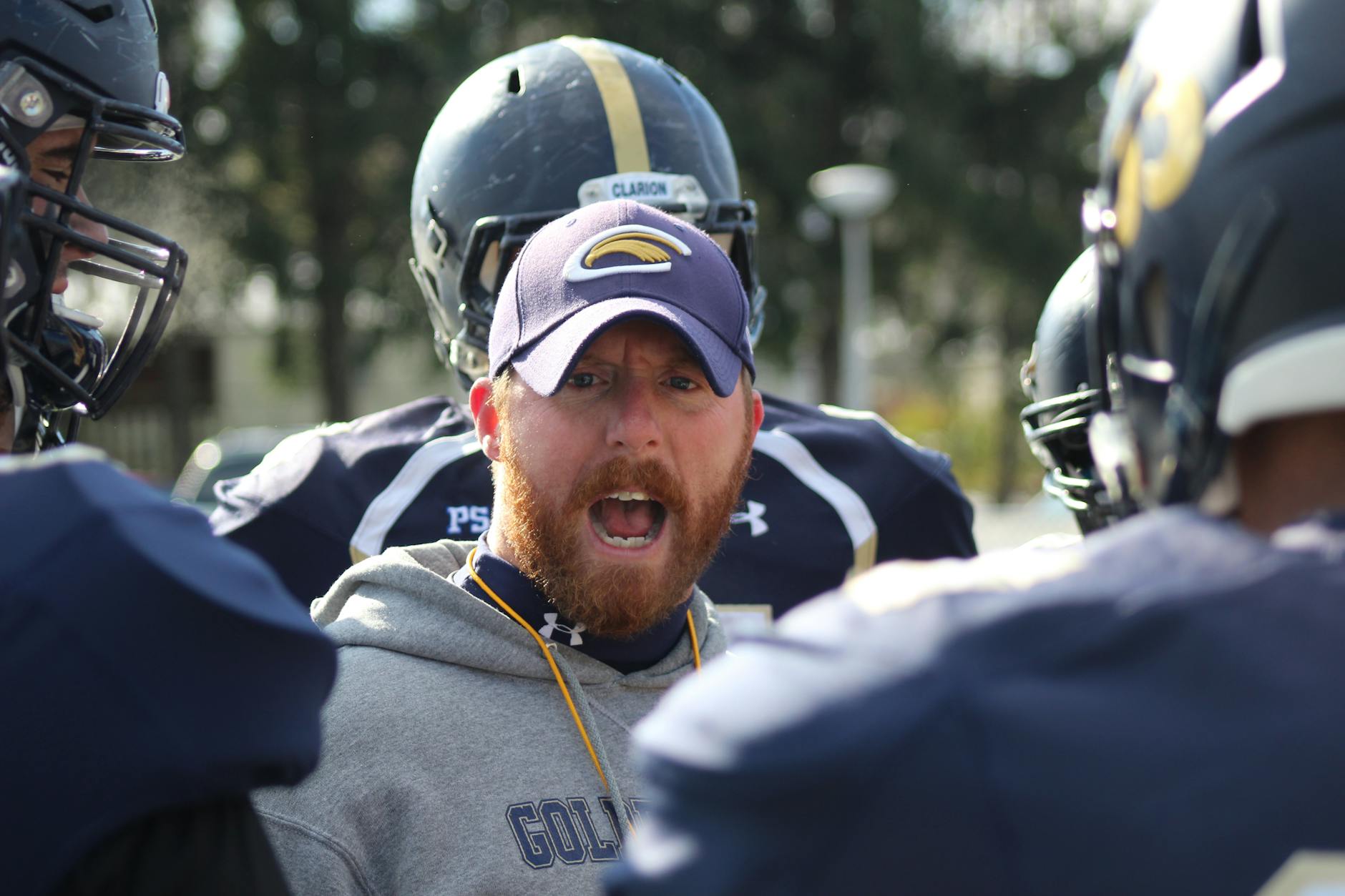
The Winning Edge: Why Coaches Should Prioritize Athetes’ Mental Performance
As a coach, your primary goal is to lead your team to success. While physical training plays a significant role, you understand that success in sports is not solely determined by strength and agility. The mental aspect is equally important, if not more so. Here are the top 10 reasons why coaches should utilize mental…
-

Enhanced Mental Performance: Top 10 Reasons to Work With a Mental Performance Coach.
While the physical aspect of sports often takes the spotlight, what often goes unnoticed is the immense influence of the mind on performance. The best athletes know this and work to train their mind to be a powerful weapon to be wielded. Mental skills are incredibly important to a successful career but can be hard…
-

Fueling the Fire: How Psychological Need Satisfaction Drives Intrinsic Motivation
Self-Determination Theory (SDT) explores athletes’ intrinsic motivation by focusing on autonomy, competence, and relatedness. Coaches can support this by involving athletes in training decisions, setting personalized goals, providing constructive feedback, promoting positive team dynamics, allowing choice in competition prep, fostering leadership, and adapting to individual differences. SDT empowers athletes to excel with passion and resilience.
-

From Ancient Philosophies to Modern Science: The Journey of Sport Psychology
While Sport Psychology as a formal subject of study and practice is relatively young, the idea of training the mind to enhance performance either on the battle or sports field is ancient. Norman Tripplett, considered a pioneer of the field, examined the effects of social facilitation on cyclists in 1898, however the roots of Sport…
-
Confidence is King
Athletes can develop and maintain confidence as a crucial skill for success. Confidence involves deep-rooted belief in one’s abilities and potential, requiring realistic goal setting, visualization, embracing failure, seeking support, and consistent preparation. Staying present-minded, positive self-talk, and reflective learning aid in maintaining confidence. These strategies empower athletes to thrive in training and competition.