
Category: motivation
-

Get the Information, Forgive Yourself, and Play On: Turning Mistakes into Fuel for Performance
Mistakes are not the enemy of athletic performance. They are the raw material of progress. If you want to grow in your sport, you must face the reality that mistakes are not only inevitable, they are essential. They tell you what needs work, they direct your training focus, and they prepare you for future adversity.…
-

Your Thoughts Aren’t Facts: How to Reframe Negative Self-Talk
Imagine you’re walking down a busy hallway and someone shoulder-checks you as they rush by. No eye contact and no apology. Instantly, your mind jumps to a conclusion: “What a jerk.” You feel tension rising in your chest, frustration in your face, and you carry that irritation into the next few hours of your day.…
-

How to Build a Pre-Performance Routine That Works!
You’ve probably seen it before: the basketball player who spins the ball in their hands the same way before each free throw. Michael Phelps slapping his back across his chest while getting ready to race. The lifter who takes the same number of breaths before every attempt. To the outside world, it might look like…
-

At the Top, Mental Skills Make the Difference
I often begin working with a new team by asking the group ‘How much of your success as an athlete depends on your physical skills versus your mental skills?’ Depending on the age of the groups, I will receive answers anywhere from 50:50, 70:30, 30:70, and so on. A general trend that I have noticed…
-

Trait vs State: An Examination of Determination and Motivation.
In sports, understanding what drives performance often comes down to exploring both who you are and how you respond in the moment. Psychological traits, like competitiveness or resilience, are stable qualities that shape your approach to training and competition. Conversely, psychological states such as pre-game nerves or in game focus are temporary and influenced by…
-

The Importance of Play in Sport
Sports have evolved from ancient play to organized competition, with intrinsic play fostering creativity and skill development. Coaches and athletes should prioritize play to maintain motivation and prevent burnout, enhancing enjoyment and performance. By incorporating gamification into training, they can rekindle passion and nurture athletic growth within structured frameworks.
-
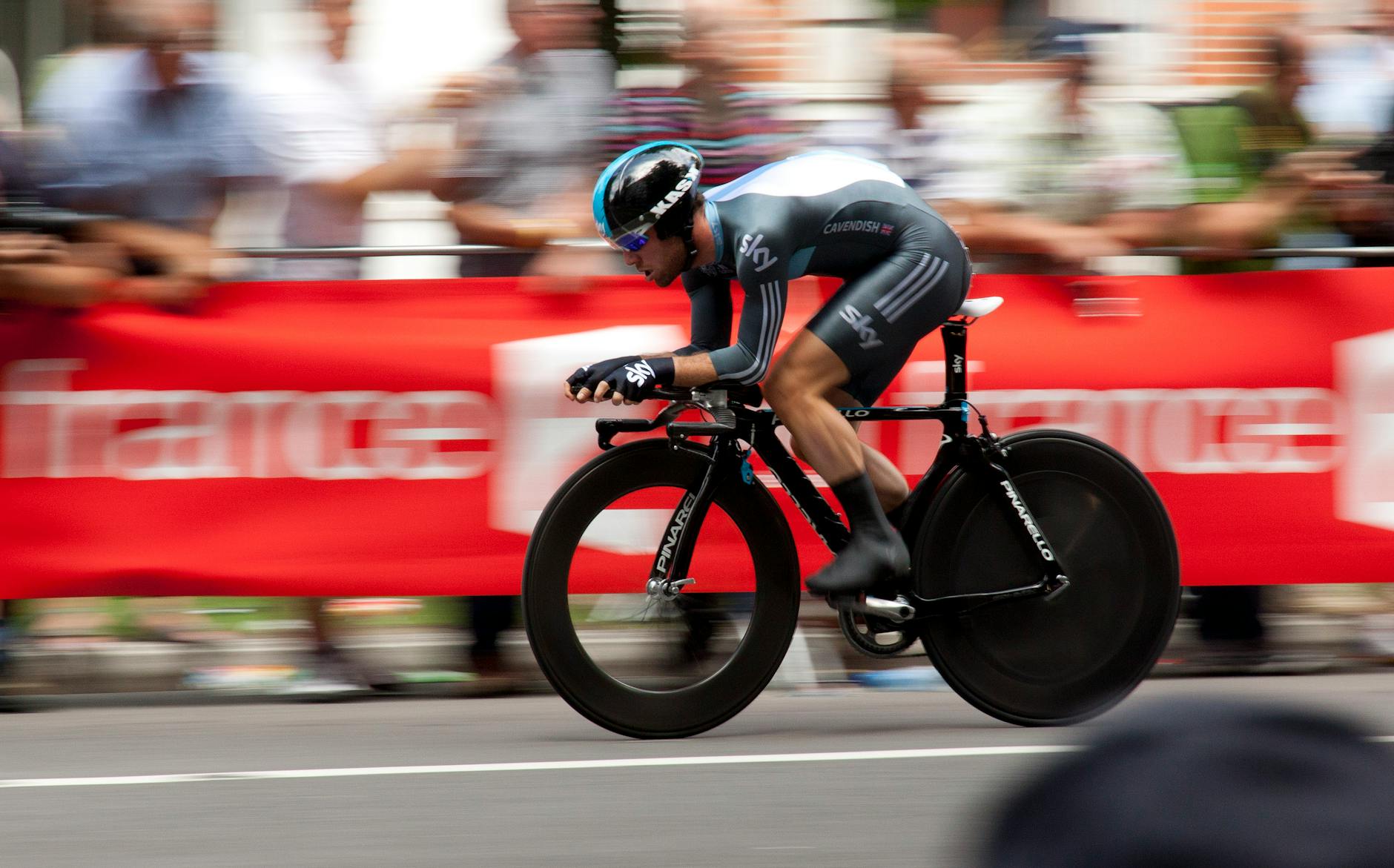
Fueling the Fire: How Psychological Need Satisfaction Drives Intrinsic Motivation
Self-Determination Theory (SDT) explores athletes’ intrinsic motivation by focusing on autonomy, competence, and relatedness. Coaches can support this by involving athletes in training decisions, setting personalized goals, providing constructive feedback, promoting positive team dynamics, allowing choice in competition prep, fostering leadership, and adapting to individual differences. SDT empowers athletes to excel with passion and resilience.