
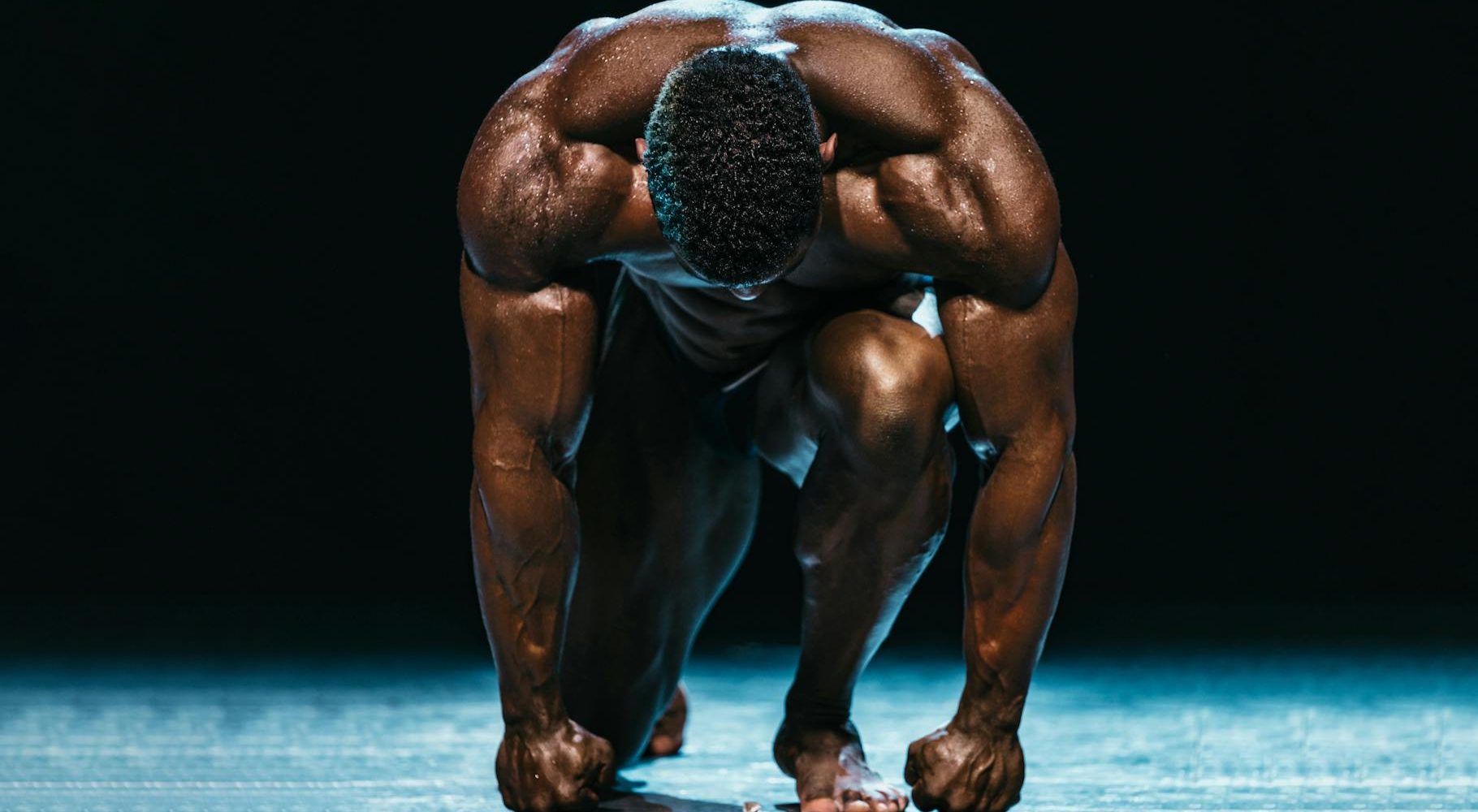
There is a moment before competition where everything starts to rise. Your heart rate picks up, your breathing changes, your thoughts begin to move a little faster, and your body feels more alive. Athletes describe it in different ways. Some call it nerves, others call it adrenaline, and some say they finally feel ready. How that feeling is understood, managed, and harnessed is critical for the athlete’s performance. For many athletes, this internal power surge becomes something to fight against, when in reality it is the foundation of high performance.
The inverted U theory of arousal explains why. It describes the relationship between how excited you are, both mentally and physically, and how well you perform. When arousal is too low, performance tends to suffer because the body and mind are not fully engaged. Focus drifts, reactions are slower, and intensity is missing. On the other end, when arousal becomes too high, performance also drops. Your muscles tighten, decisions become rushed, and play becomes more rigid. The highest level of performance sits somewhere in the middle, where energy is elevated but still controlled, where focus is sharp but not forced, and where the athlete feels both ready and composed at the same time.
This is where many athletes get it wrong. They assume the goal is to eliminate nerves or stay calm at all costs. In reality, trying to remove arousal often pulls them too far to the left side of the curve, where they become flat and underprepared. Others go the opposite direction and try to hype themselves up as much as possible, pushing themselves too far to the right, where the game starts to speed up and mistakes increase. The goal is not to be calm or fired up. The goal is to find your optimal zone, where your level of intensity matches the demands of the moment.
This is a skill for great athletes, first requiring awareness. You need to recognize what low, optimal, and high arousal actually feel like in your mind and body. Low arousal might feel like a lack of urgency or difficulty focusing. High arousal might show up as tightness, rushed decisions, or overthinking simple plays. Optimal arousal feels different. There is energy, but it is directed. There is focus, but it is not forced. The game feels clear, not chaotic. Once you can identify these states, you can begin to adjust them.
This is where mental performance training becomes practical. If you are under-aroused, you can bring yourself up. This might mean using more active self-talk, increasing physical movement in your warm-up, or narrowing your focus to key performance cues. If you are over-aroused, the goal shifts to bringing things back under control. Breathing becomes one of the most effective tools here, slowing the body down just enough to regain clarity. Simple cues, routines, and consistent preparation help anchor attention so that pressure does not take over.
For coaches and parents, understanding this concept changes how you respond to athletes. An athlete who looks flat does not need to be told to relax. They likely need more activation and engagement. An athlete who is overwhelmed does not need more hype. They need help settling into control. The same external behavior can come from very different internal states, and recognizing that allows for more effective support.
Over time, athletes who train this skill begin to trust their ability to adjust. They stop fearing nerves because they understand that arousal is not the enemy. It is something to be shaped. They learn how to step into competition with the right level of intensity, and when things start to drift, they know how to bring themselves back. This is what consistency under pressure starts to look like.
At The Mental Barbell, this is a core part of how we work with athletes. It is not about removing emotion from performance, it is about learning how to use it. When athletes understand their optimal zone and develop the tools to reach it, performance becomes more repeatable, especially in the moments that matter most.
If you are an athlete, coach, or parent looking to build this level of stress control, the next step is simple. Work with a coach who can help you identify your optimal arousal zone and train the skills needed to stay there. You can start with a free mental performance discovery session and begin building a more consistent approach to competition through The Mental Barbell.
Leave a Reply